
Loading wire briefing...
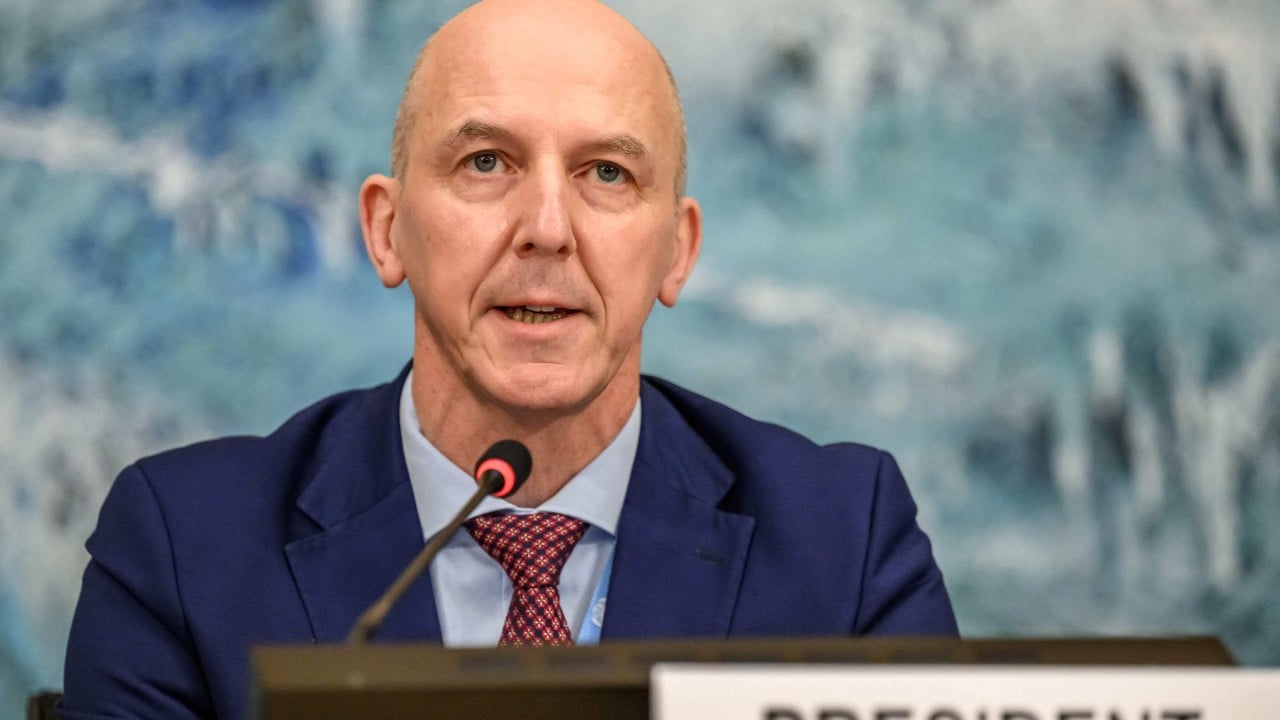
UN talks in Geneva concluded on November 21, 2026, with member states pledging to develop rules for autonomous weapons by 2028. While 100 countries supported legally binding regulations, opposition from nations including Russia, the United States, and Israel resulted in a non-binding agreement. Human rights groups criticized the outcome, warning that delaying formal restrictions risks civilian safety and global security.
Each brief is checked against reporting from more than one news source and written in exactly 60 words.
European Union leaders, including Climate Commissioner Wopke Hoekstra and Irish minister Darragh O’Brien, warned in a November 19 letter that the current United Nations climate conference draft risks becoming a fossil fuel summit. The EU stated it cannot support a package that omits fossil fuel mentions, criticizing proposed carbon capture targets and urging presiding nations Australia and Turkey for improvements.
Climate activists chanted shame at COP31 negotiations in Turkey as they rejected the draft text on the scheduled final day. Campaigners accused governments of failing to address fossil fuel dependence or build on previous pledges. With negotiations deadlocked over voluntary commitments and key emitters absent, delegates warned the summit could extend beyond its official deadline without achieving tangible progress.
The European Commission proposed the Digital Fairness Act on Wednesday to enhance consumer protections online. The legislation targets deceptive practices like dark patterns, addictive design features, and automatic subscription renewals. Companies violating these rules could face fines up to six percent of global annual revenue. The European Parliament and Council must now negotiate the proposal, which faces criticism from industry groups.