
Loading wire briefing...
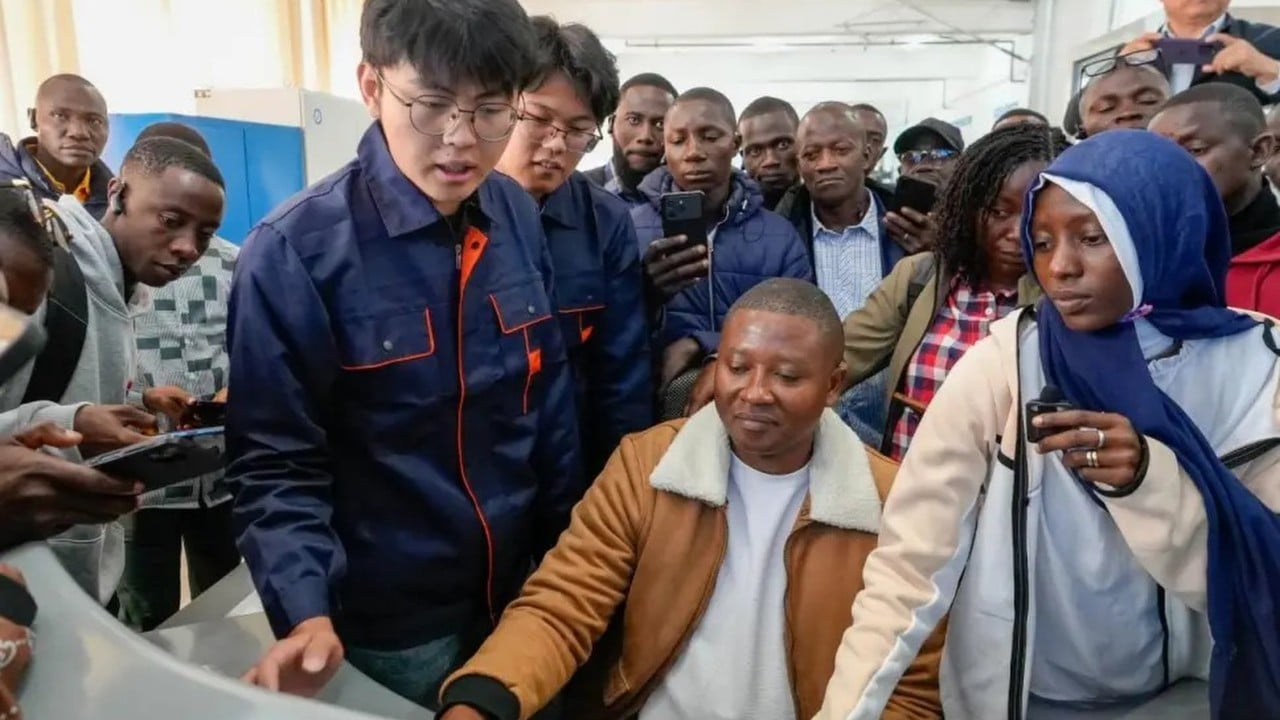
Sixty-two Guinean railway workers are currently training in Baotou, China, to operate locomotives for the Simandou iron ore project. This initiative mirrors similar capacity-building programs in Kenya, Ethiopia, and Nigeria. Experts note these efforts help African nations gain infrastructure control while allowing Chinese firms to cement commercial footholds and ensure future reliance on Chinese railway equipment, standards, and technical systems.
Each brief is checked against reporting from more than one news source and written in exactly 60 words.
Iran has positioned over 14 oil tankers at Kharg Island, reportedly preparing a convoy to challenge the United States naval blockade on its crude exports. Satellite imagery and tracking data indicate Tehran intends to resume shipments toward the Sea of Oman. Meanwhile, US Energy Secretary Chris Wright stated that energy flows through the Strait of Hormuz are currently increasing despite regional tensions.
Oman and China are expanding their economic partnership beyond energy, focusing on technology, manufacturing, and the digital economy. Bilateral trade reached 32.8 billion dollars in 2025, with the new IFC Oman financial centre aiming to facilitate further Chinese investment. Recent agreements signed in Beijing cover artificial intelligence and the digital economy to support Oman's ongoing economic diversification goals.
European Union member states and lawmakers reached an agreement to update the Sustainable Finance Disclosure Regulation, allowing some oil and gas companies to qualify as green investments under a new transition category. Firms must allocate twenty percent of capital expenditure to green activities to qualify. This decision follows a separate EU agreement to delay methane emission rules for fossil fuel companies.