
Loading wire briefing...
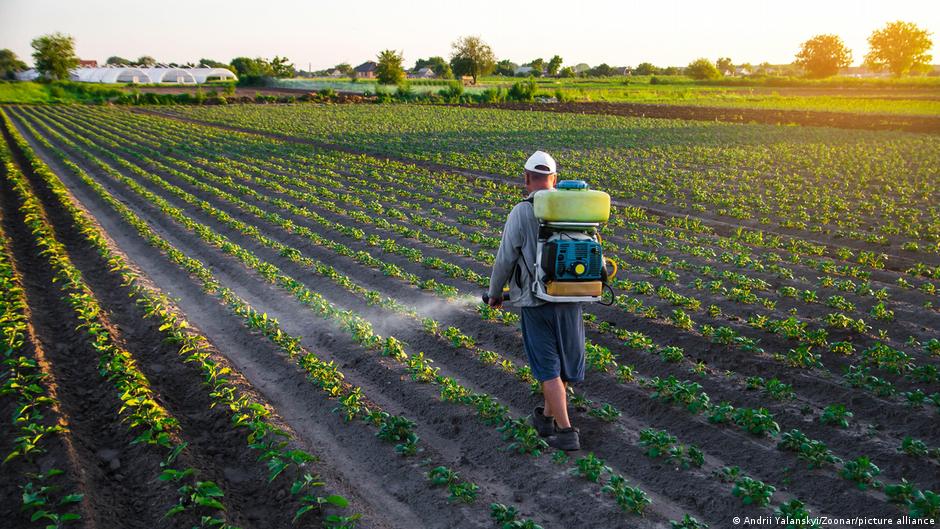
The European Commission proposed sweeping changes to food safety legislation, making indefinite greenlighting the default for primary pesticide components. The goal is to cut costs and help farmers stay competitive. Scientists and medical experts warned that environmental and health concerns are being ignored, while the European Environment Agency noted difficulties in estimating disease burdens linked to pesticide exposure levels.
Each brief is checked against reporting from more than one news source and written in exactly 60 words.
European Union leaders, including Climate Commissioner Wopke Hoekstra and Irish minister Darragh O’Brien, warned in a November 19 letter that the current United Nations climate conference draft risks becoming a fossil fuel summit. The EU stated it cannot support a package that omits fossil fuel mentions, criticizing proposed carbon capture targets and urging presiding nations Australia and Turkey for improvements.
Climate activists chanted shame at COP31 negotiations in Turkey as they rejected the draft text on the scheduled final day. Campaigners accused governments of failing to address fossil fuel dependence or build on previous pledges. With negotiations deadlocked over voluntary commitments and key emitters absent, delegates warned the summit could extend beyond its official deadline without achieving tangible progress.
The European Commission proposed the Digital Fairness Act on Wednesday to enhance consumer protections online. The legislation targets deceptive practices like dark patterns, addictive design features, and automatic subscription renewals. Companies violating these rules could face fines up to six percent of global annual revenue. The European Parliament and Council must now negotiate the proposal, which faces criticism from industry groups.